“Apartheid Architecture” Exists in More Places Than You Think

My Conversation with South African Architect Wandile Mthiyane.
The laws of South Africa's apartheid system were dismantled more than three decades ago, but its blueprints, Wandile Mthiyane argues, are still very much in use. That's what the South African architect told me when we first spoke years ago. That conversation, about what he calls "Apartheid Architecture", has stayed with me ever since.
Mthiyane described how oppression through the built environment was hiding in plain sight throughout South Africa. He said it can found in more places than we might think.
The following post is taken from my interview with Mthiyane. He explains how injustice is often built directly into the landscape around us.
The 40-40-40 Rule
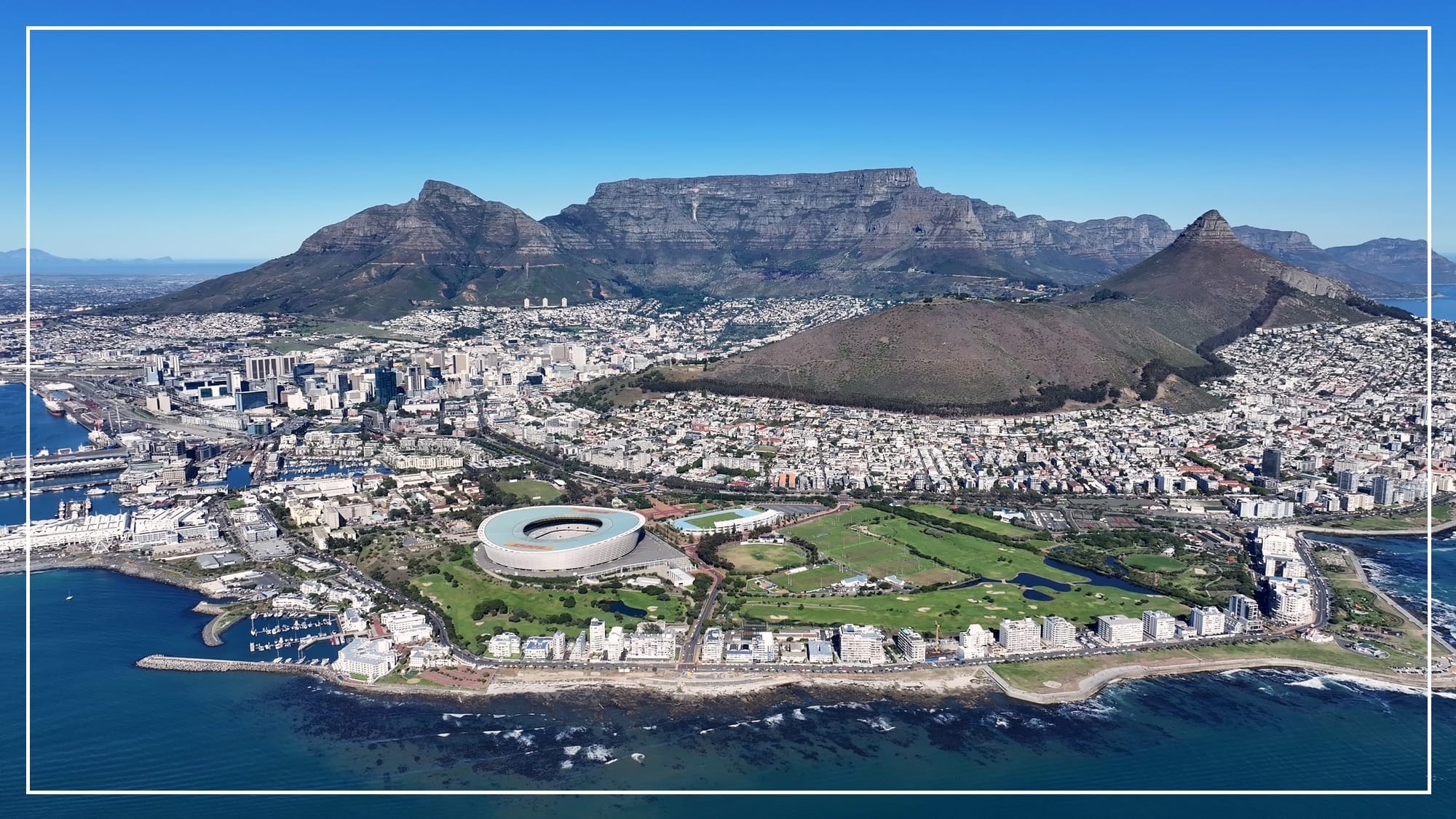
“What the apartheid government did was come up with something called the 40-40-40 rule. They would build a 40-square-meter home, essentially a labor camp for the majority of Black people in South Africa, place it 40 kilometers away from town — where the white masters lived — and separate those communities from economic opportunities and gathering places, because those would have political implications," said Mthiyane.
"What this did was force people to spend 40% of their income commuting 40 kilometers to work in town, because that’s where the jobs and economic opportunities were. The laws may have changed, but the architecture didn’t. People are still spending 40% of their income commuting to work in town today, which renders them incapable of developing their own homes and communities," he added.
That captures a larger truth: oppressive design doesn't disappear just because legislation changes. Sometimes, it remains embedded in streets, transit systems, zoning decisions and housing policy.
Where You Live Can Determine What You Can Become
Mthiyane, who grew up in the Durban township of KwaMashu, said those experiences inspired him to become an architect focused on dignity-centered design. He told me that something as basic as an address can determine opportunity.
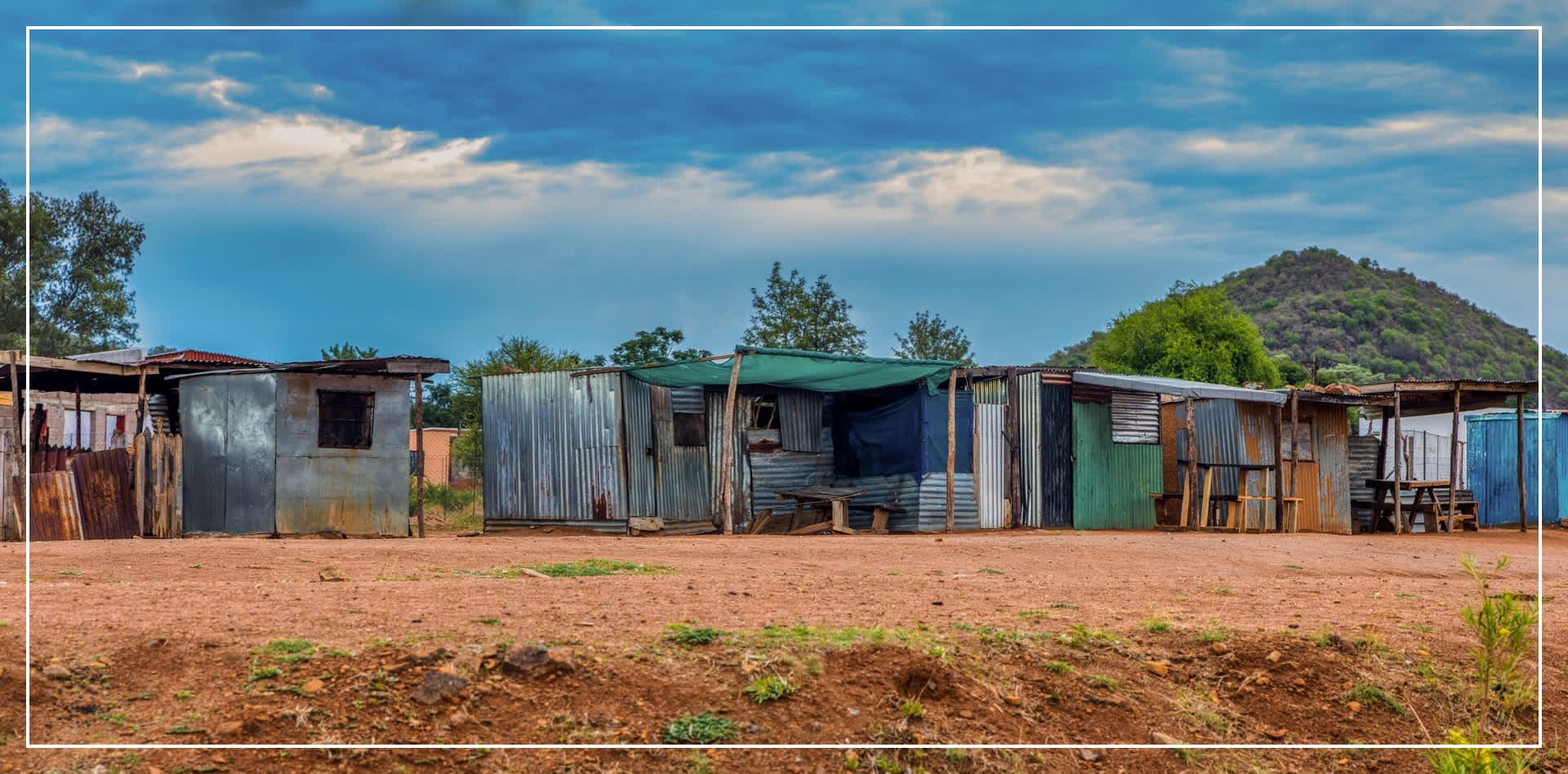
"Without a dignified house, you can't get a job. You don't have a physical address, and without a physical address, you can't get a job. Without a job, you don't have the money to buy or build a home," explained Mthiyane.
He also challenged the way society often blames struggling communities for outcomes that may have been designed into them from the beginning.
"Ten years after these houses have been built, we watch the news and what we see is that that community has the highest crime rates, the highest high school dropout rates and the highest pregnancy rates. We think to ourselves, ‘what’s wrong with the people in that community?’ But in reality, the question should be, ‘what’s wrong with the people who designed that community?’ Because people within the communities are merely living up to what's been defined for them," he added.
Rethinking Social Housing
Through his firm, Ubuntu Design Group, Mthiyane works to solve design problems in low-income communities.
He says many social housing projects fail for three common reasons:
- Residents are not consulted in the design of their own homes
- Housing is placed far from jobs and economic opportunity
- Homes are built as rigid structures that can’t expand as families grow or incomes rise
In other words, too many housing developments are built for people, not with them.
Learning From Africa
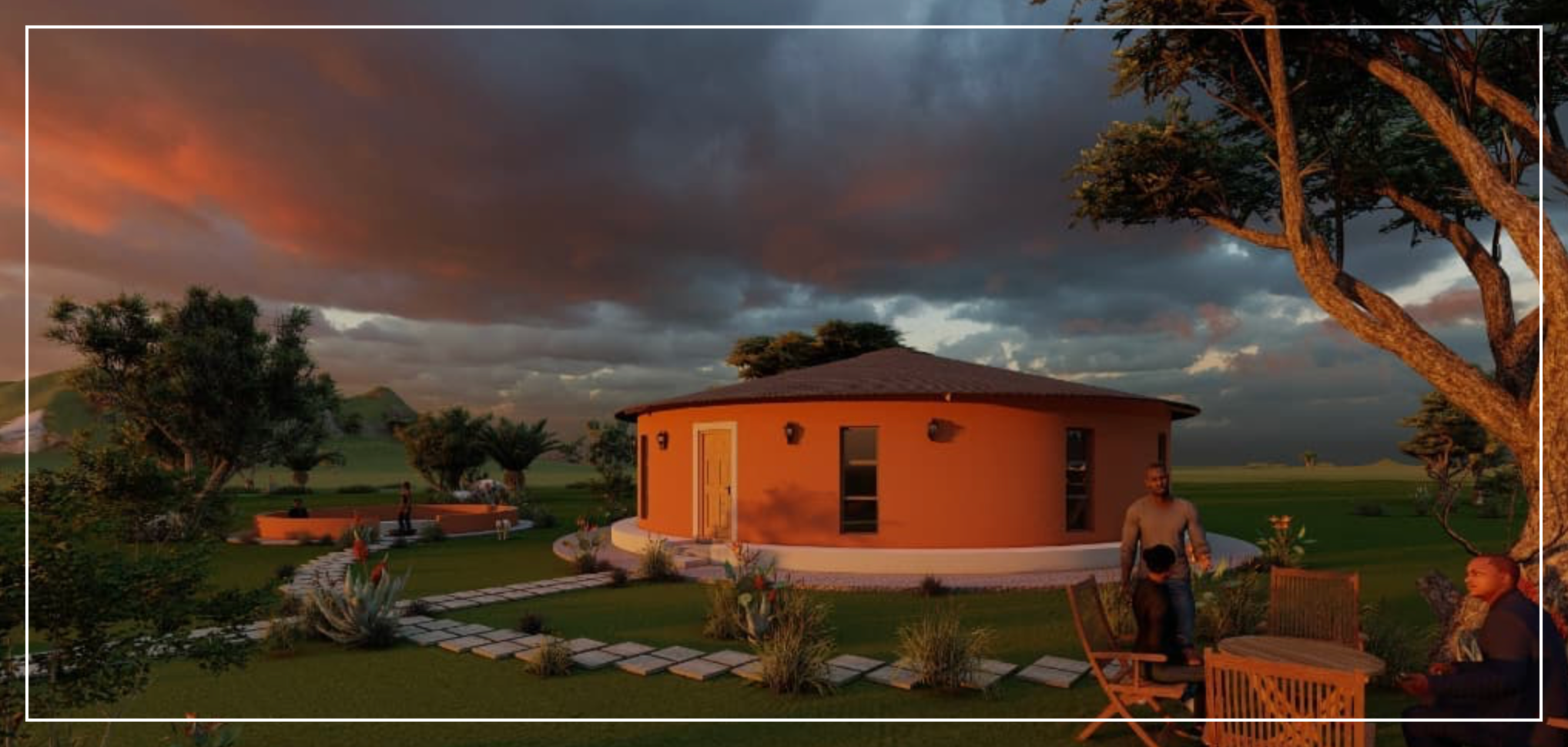
Mthiyane also challenges architecture education itself, which he said remains deeply Eurocentric. “You learn about Rome, you learn about the Parthenon, you learn about the columns, but you don't learn about Zulu architecture. You don't learn about the Great Zimbabwe. You don't learn about the underground churches in Ethiopia,” he noted.
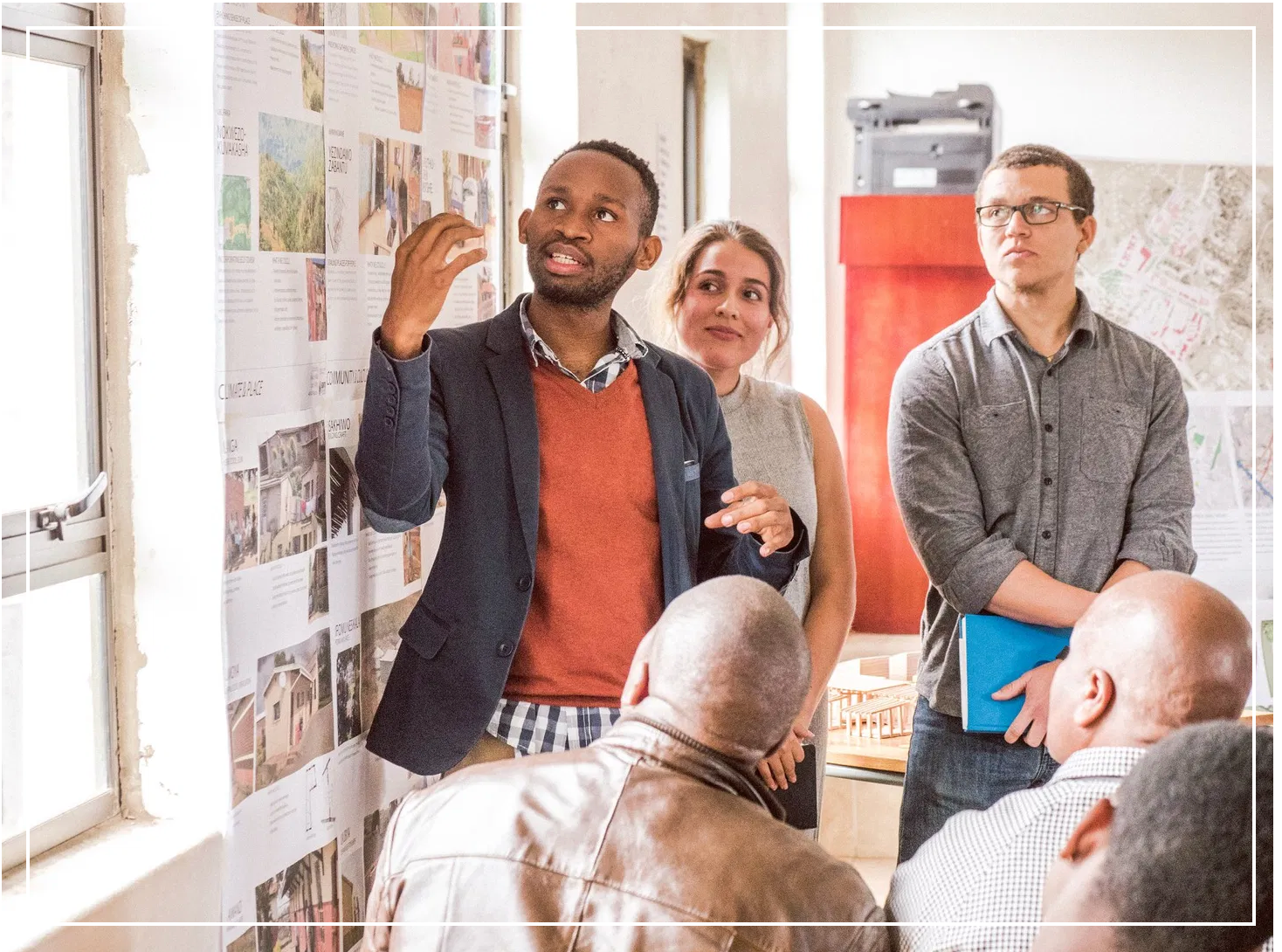
Mthiyane's work has earned him a place in the Obama Foundation Leadership Program and an international platform. In partnership with Andrews University in the United States, he's working to redesign homes and communities across Africa, starting with the kinds of places he comes from.
Design Justice
What struck me most during our conversation was Mthiyane’s belief that architecture is never neutral. Buildings can isolate or empower. Roads can divide or connect. Housing can either trap families in poverty, or help them build wealth and stability.
If architecture helped sustain apartheid, Mthiyane believes architecture can help dismantle its legacy.
That’s the promise of design justice, and the work Wandile Mthiyane continues to lead.