The Alhambra: Inside Spain's Most-Visited Monument
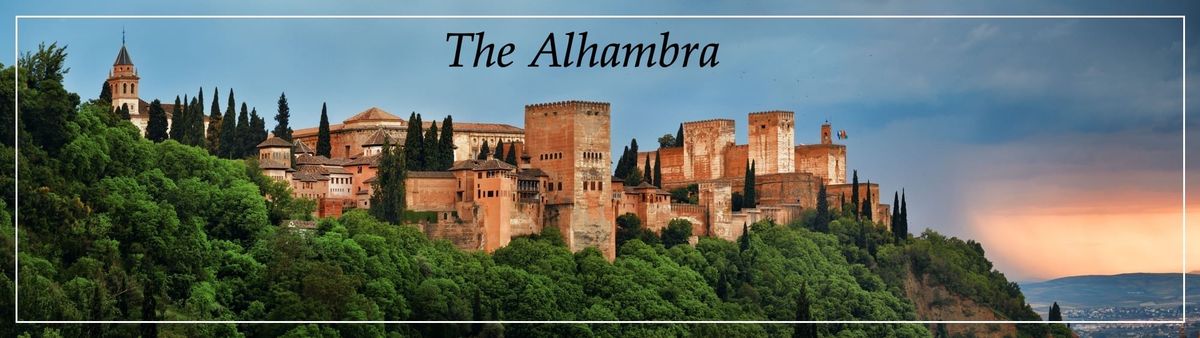
The Alhambra sits on a sandstone plateau above Granada in southern Spain. Once both a royal palace and a military fortress, the complex was built by the Nasrid dynasty during the 13th and 14th centuries. Its architectural features were designed to reflect that dual ambition: projecting political power through extraordinary beauty.
The Nasrids were the last of the Moorish rulers who had governed much of the Iberian peninsula for nearly eight centuries. The Alhambra was the final, and perhaps most magnificent, expression of that civilization on Spanish soil.
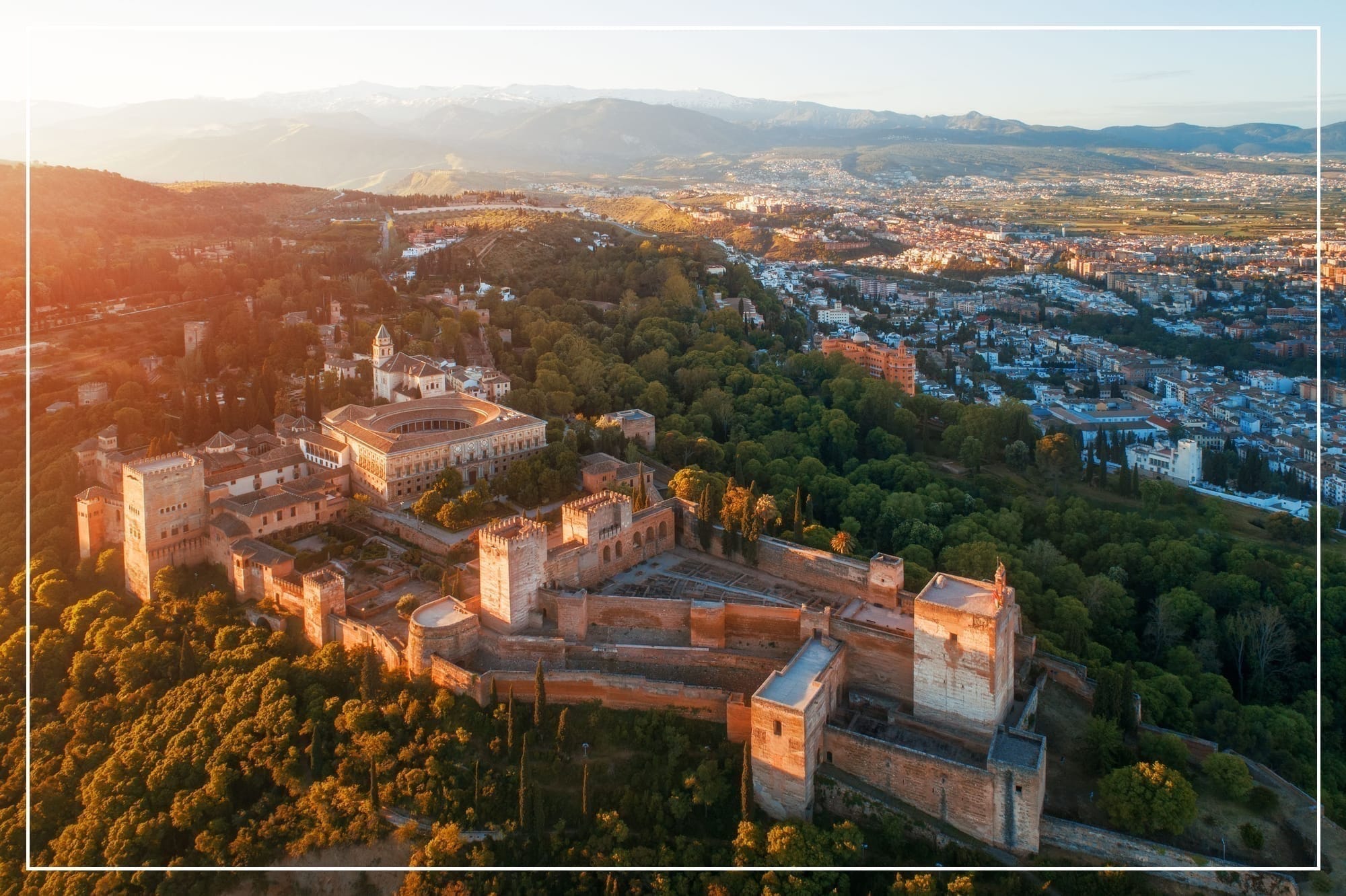
Viewed through an architectural lens, it is clear the Alhambra's design relies on detail, sequence, material contrast and the masterful orchestration of light.
The complex has no central focal point. Instead, it comes together as a series of independent units: courtyards, halls and gardens – all connected by horseshoe arches that are emblematic of the Moorish tradition.
Court of the Lions: the royal family's private chambers in the heart of the Alhambra \ Video by Hayde Adams
Architectural Design Features of the Alhambra
I'm going to walk you through some of my observations and the details that made me stop and capture their imagery.
The Roof
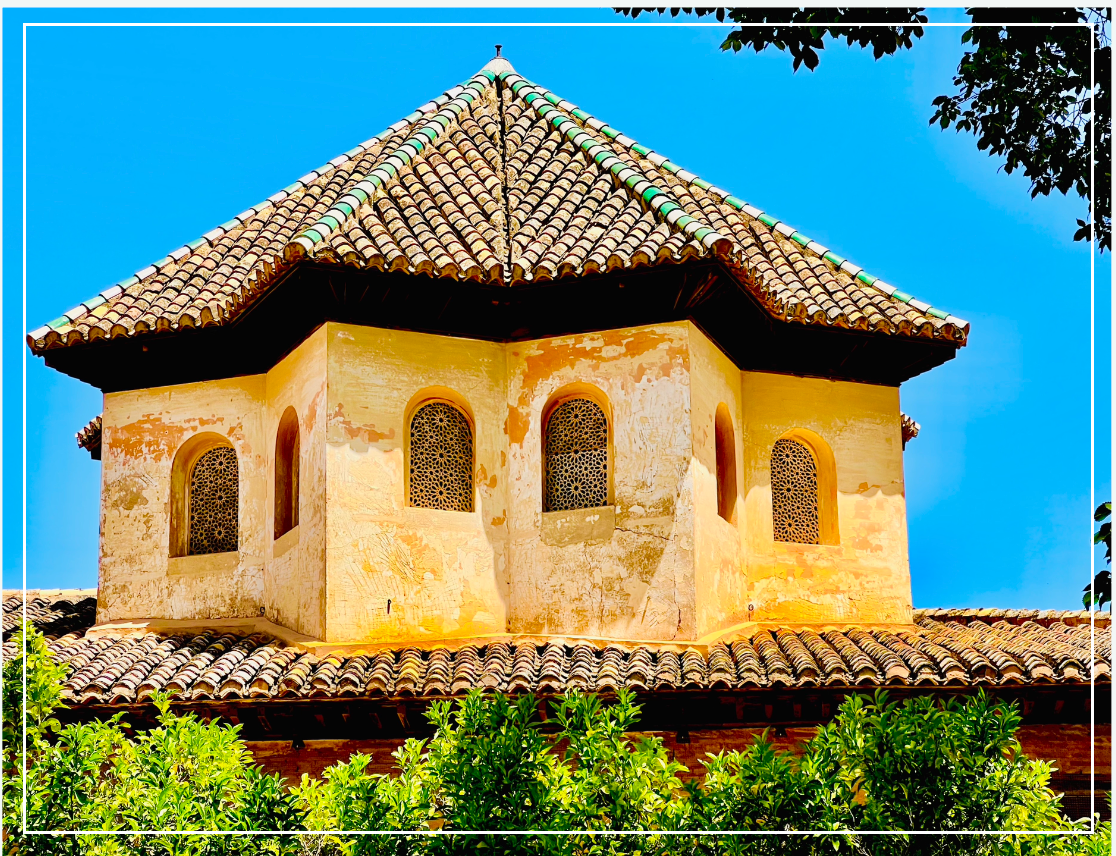
The rooflines of the Alhambra are recognizably Andalusian: low-pitched and clad in curved terracotta. Here, they serve a specific purpose: to protect the extraordinary carved plasterwork and painted wooden ceilings inside. Seven centuries on, those interiors have survived because of it.
The Doors
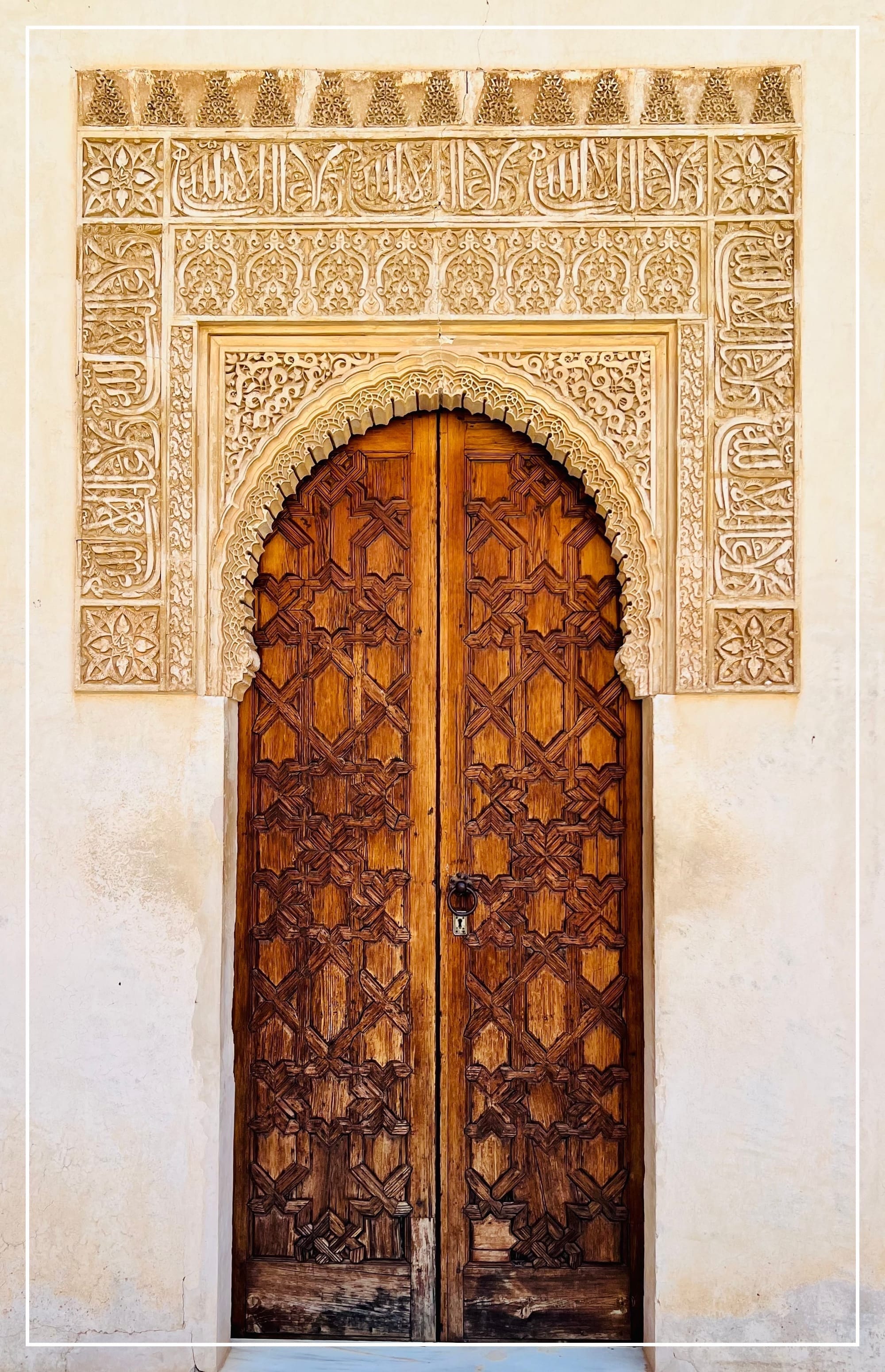
In Islamic architecture, the threshold is the most ornamented surface in a room. At the Alhambra, you'll see and feel why.
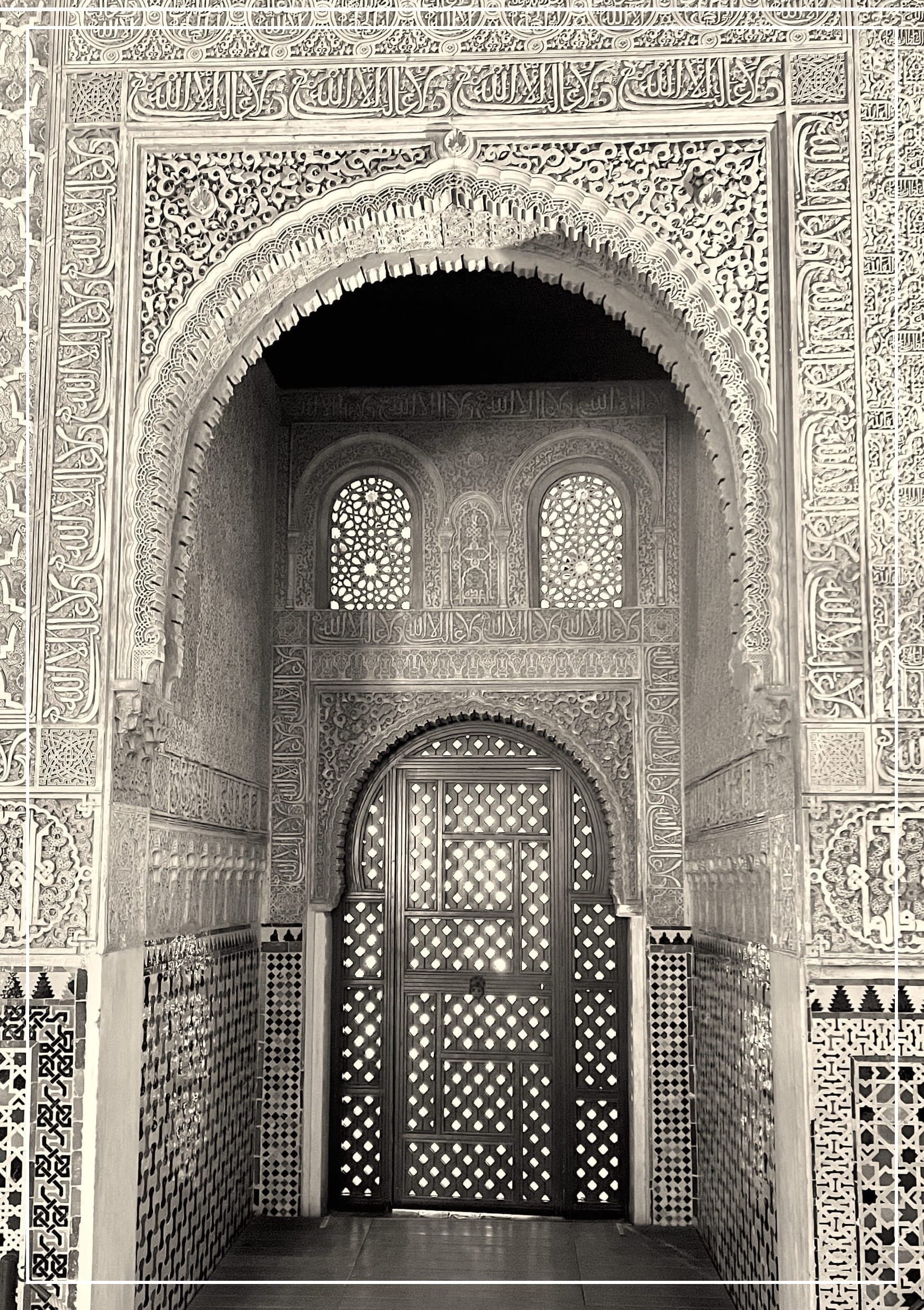
Each door is carved with geometric interlace and calligraphic inscriptions. Take a closer look and you'll see Quranic verses, court poetry – all framed by cobalt, ivory, and terracotta tiles.
The Windows
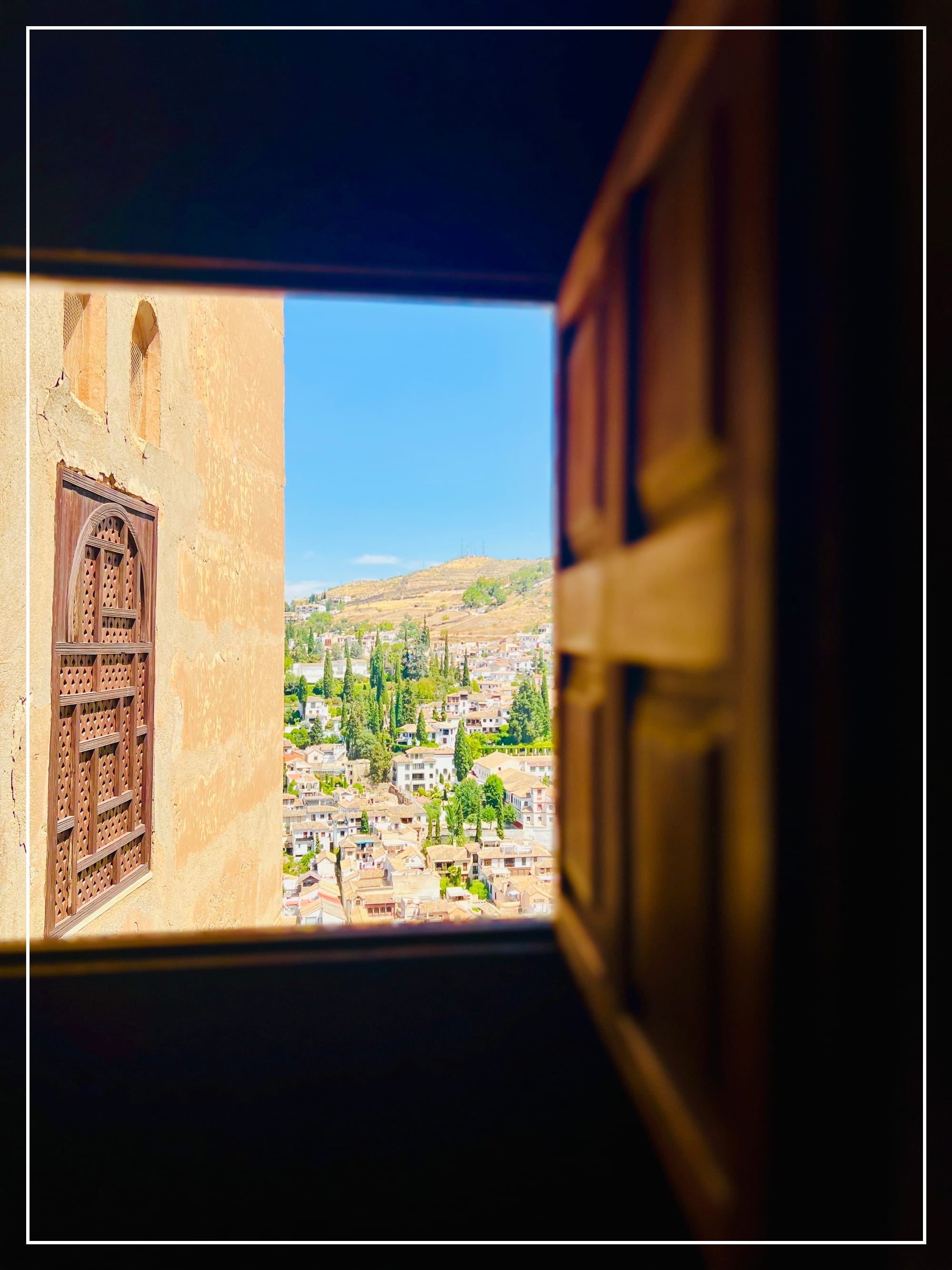
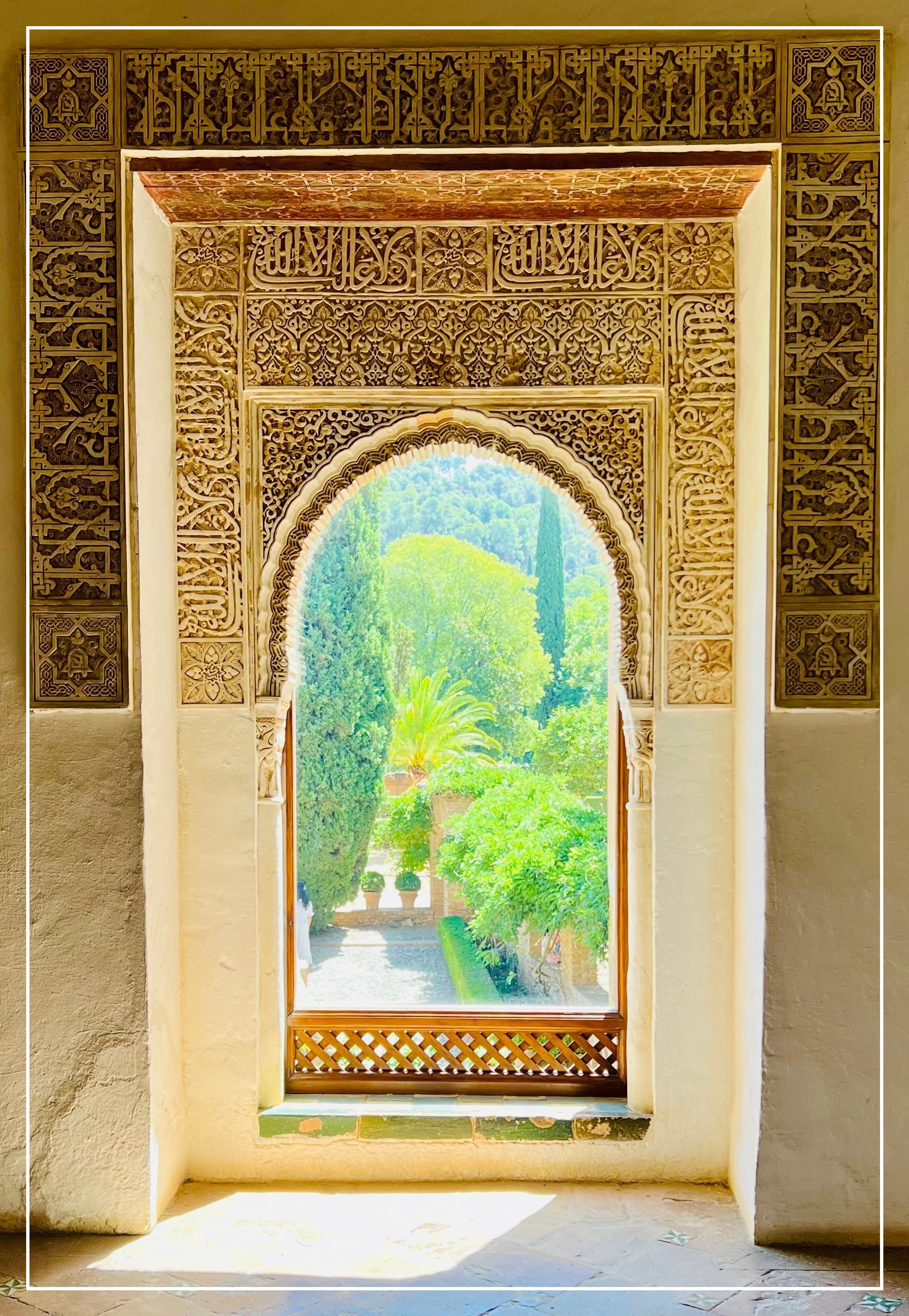
I must say, I think the Alhambra delivers a masterclass in the orchestration of light. Here, the architecture controls what you see, and how you see it.
Smaller windows are fitted with mashrabiya, which is carved wooden latticework that breaks light into shifting geometric patterns across the floor. The screen changes through the day: as the sun moves, so do the patterns. What you see at midday is not what you see at dusk.
Larger windows are deeply recessed, framing the gardens and the Sierra Nevada beyond, creating beautiful compositions of the outside world.
Photos by Hayde Adams | Granada, Spain
Muqarnas: The stalactite vault
The muqarnas ceilings comprise thousands of stacked stucco cells forming a honeycomb vault. They are technically astonishing and dissolve the line between wall and ceiling entirely.
Muqarnas of the Alhambra | Video by Hayde Adams
Below them are 124 marble columns so slender they barely seem adequate; azulejo tiles cut into geometric forms in cobalt, ochre and ivory lining the walls; plasterwork carved to near-textile fineness. The material logic is consistent throughout: plain stone outside, extremely refined within.
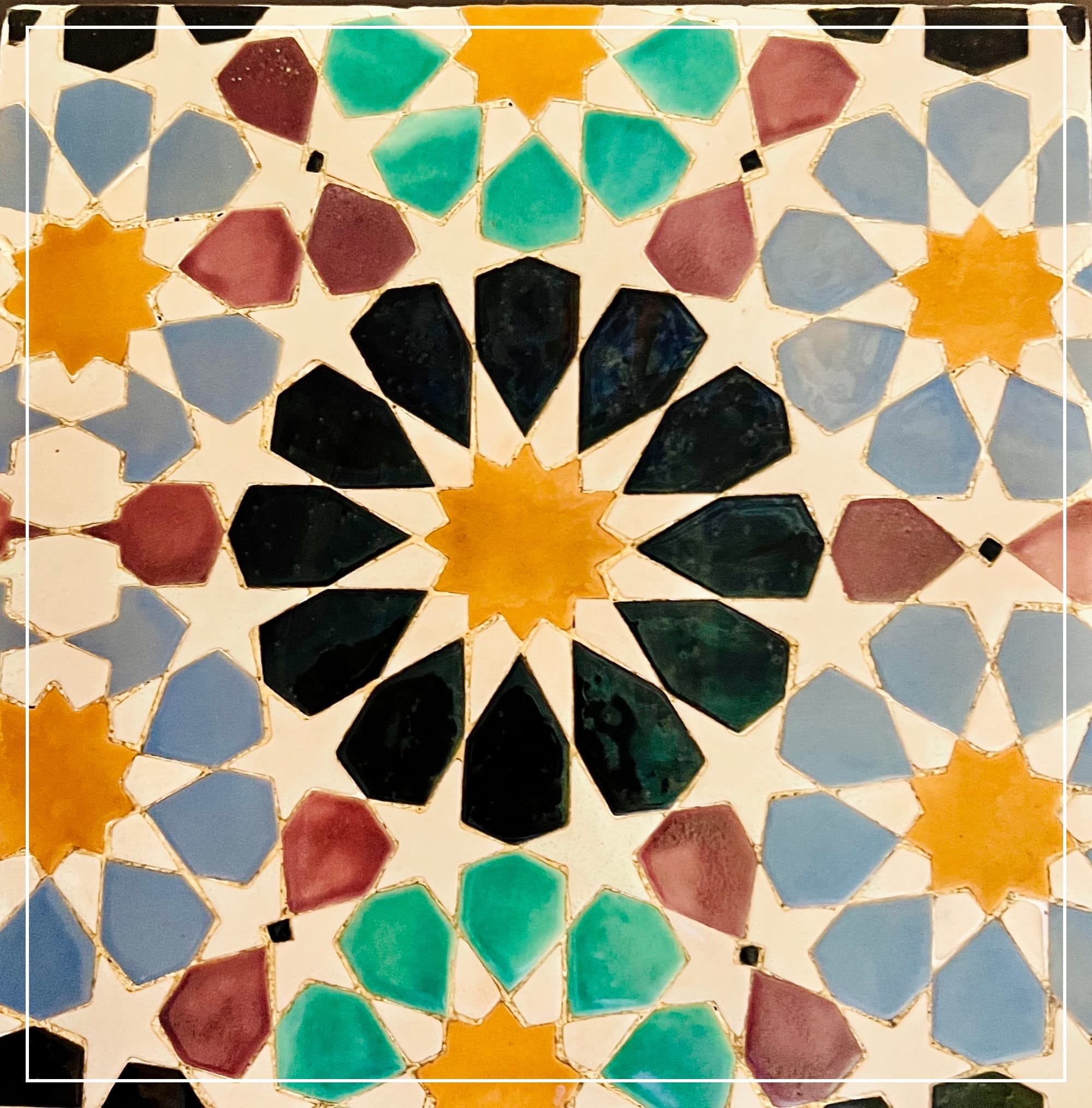
Watch this video to experience craftsmanship that has not been surpassed in seven centuries.....
Video by Hayde Adams at the Alhambra | Granada, Spain
"Perhaps there never was a monument more characteristic of an age and people than the Alhambra; a rugged fortress without, a voluptuous palace within; war frowning from its battlements; poetry breathing throughout the fairy architecture of its halls." – Washington Irving (1829)
The Gardens and Water Features
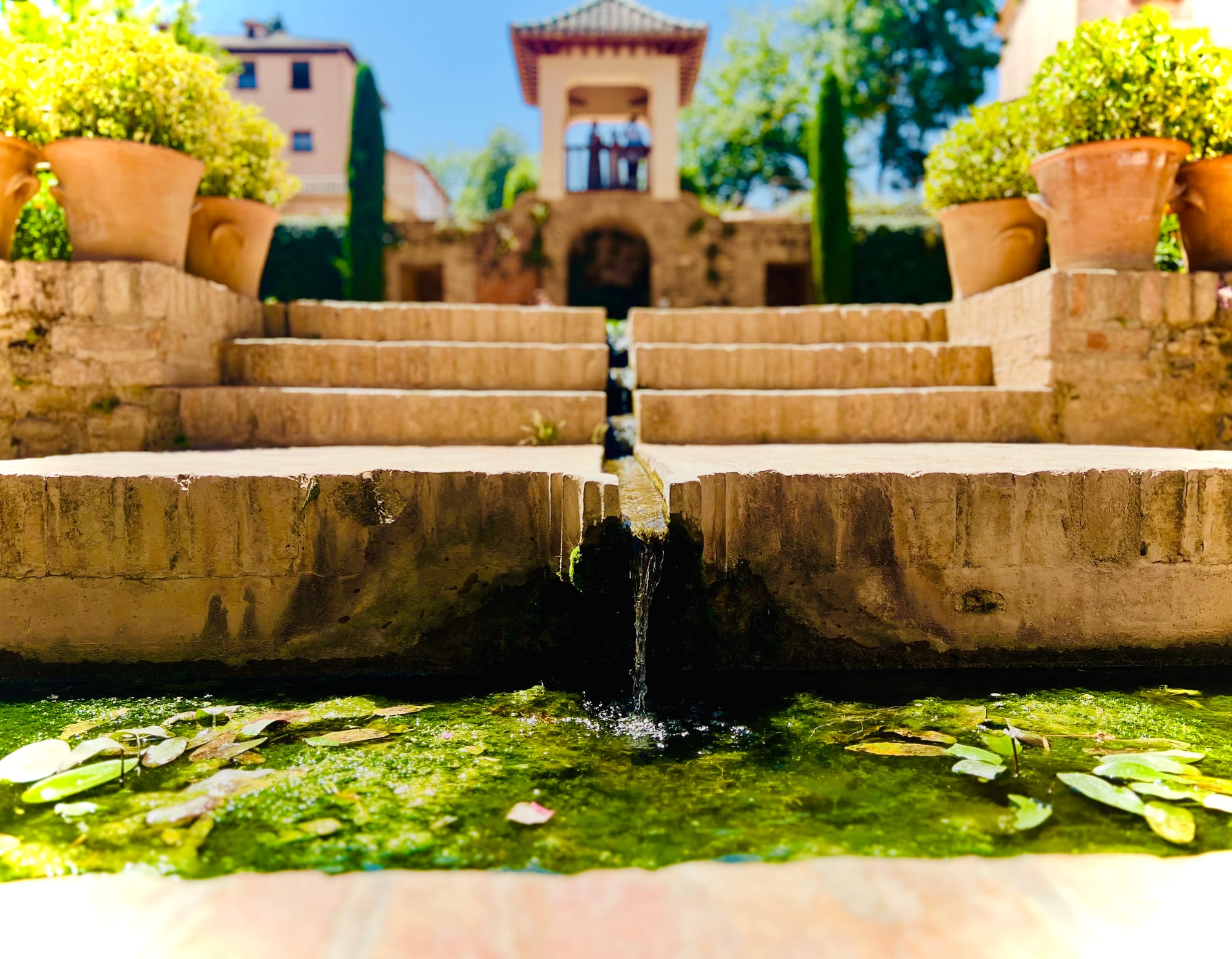
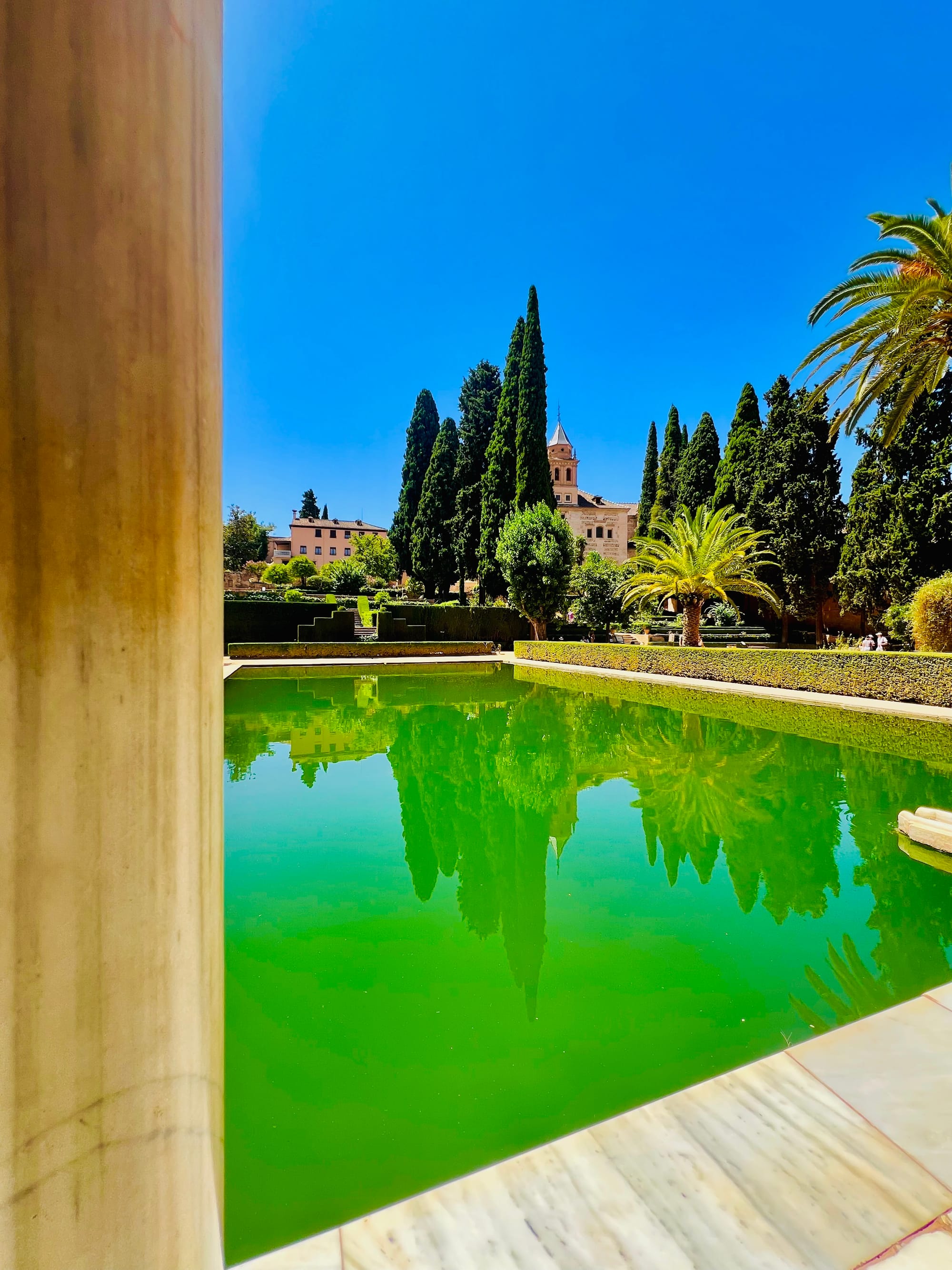
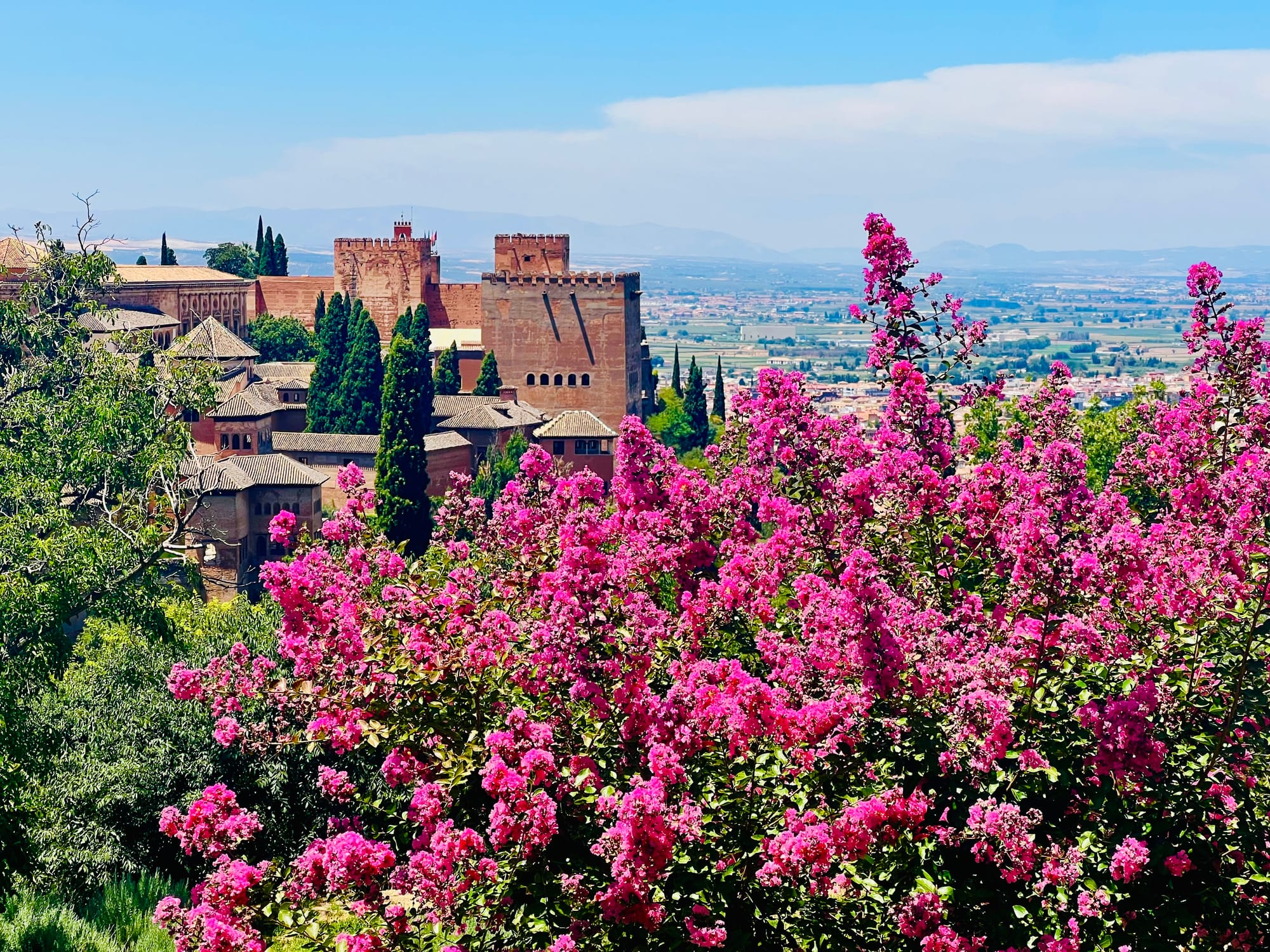
Photos by Hayde Adams at the Alhambra | Granada, Spain
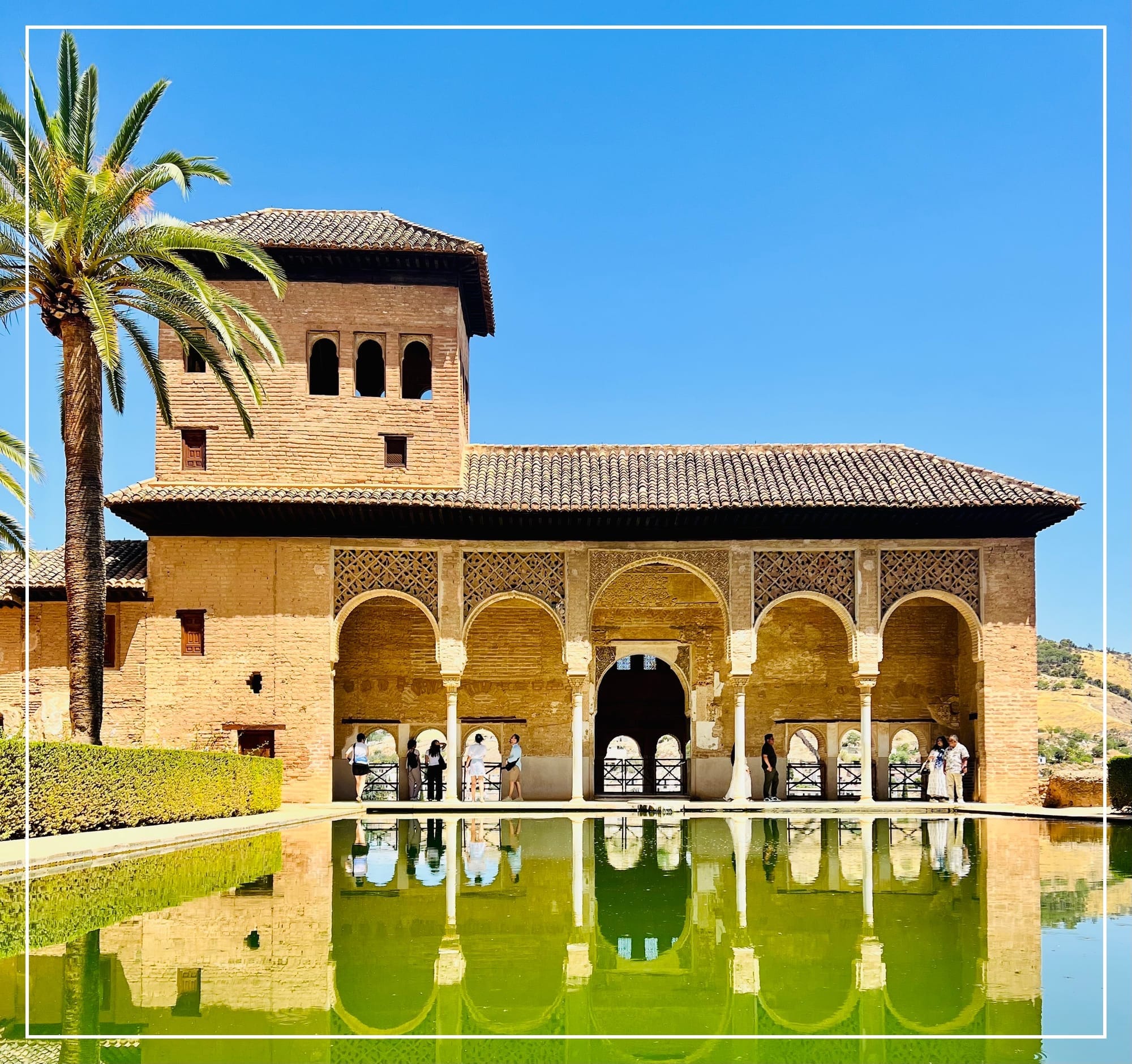
Long reflecting pools, fountains, and channels set in geometric stone follow the Islamic concept of the chahar bagh, or paradise garden, divided by water into four quadrants. The sound of running water works acoustically too, making each courtyard feel like its own world. The irrigation system behind all of this was built in the 14th century and still works today.
The Alhambra Complex: gardens and water features
The Alhambra draws over two million visitors a year, making it the most visited monument in Spain. Its influence runs through Spanish design and architecture to this day: in tile work, arched courtyards, and in the decorative traditions of the Andalusia region – features and influences that are still found in interiors and architecture across the Spanish-speaking world.
Beyonds its fame and features, the Alhambra offers a vivid reminder that Spain's identity was shaped by more than one civilization. The most beautiful evidence of that is still standing.
The Alhambra | Granada, Spain